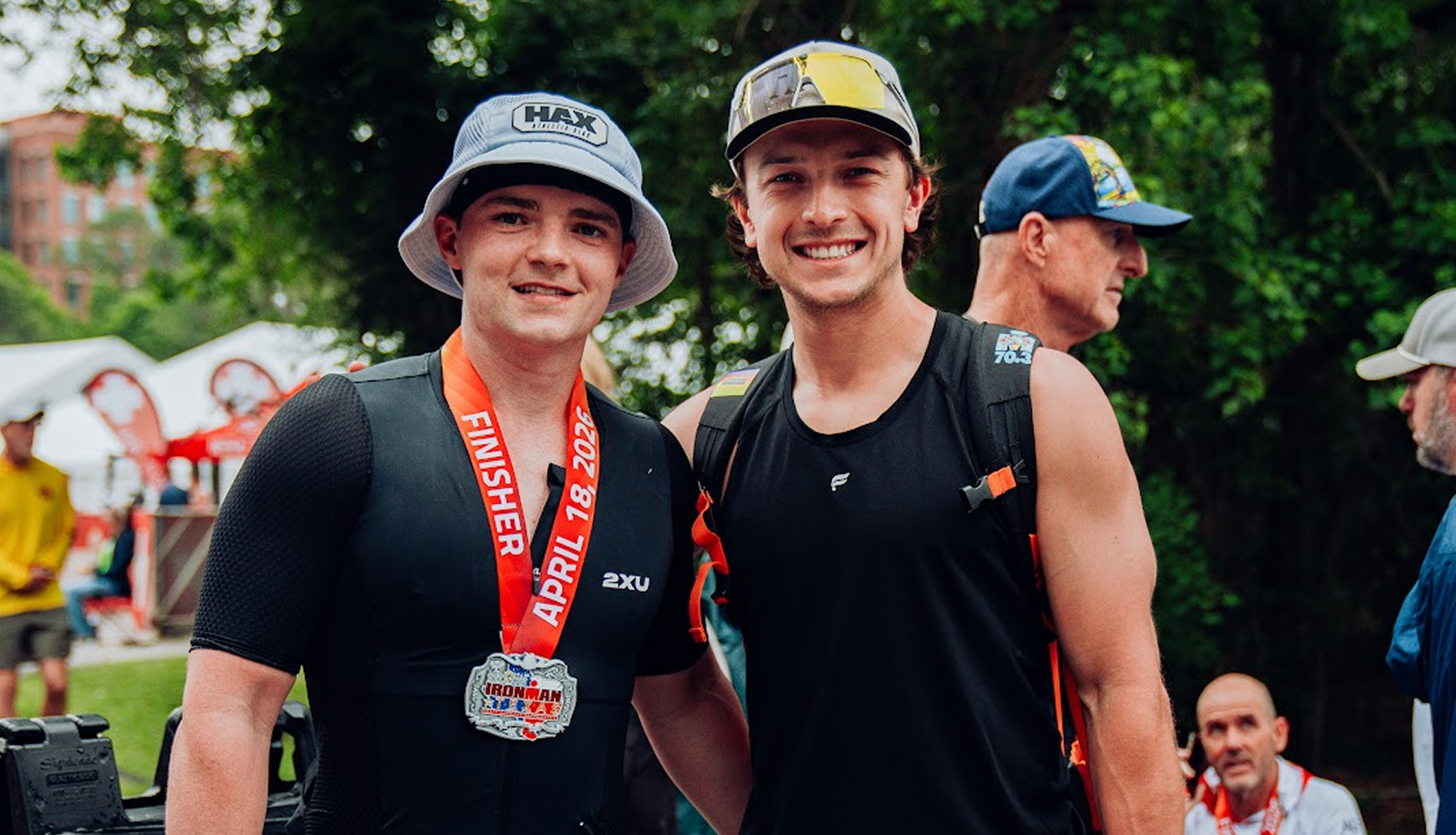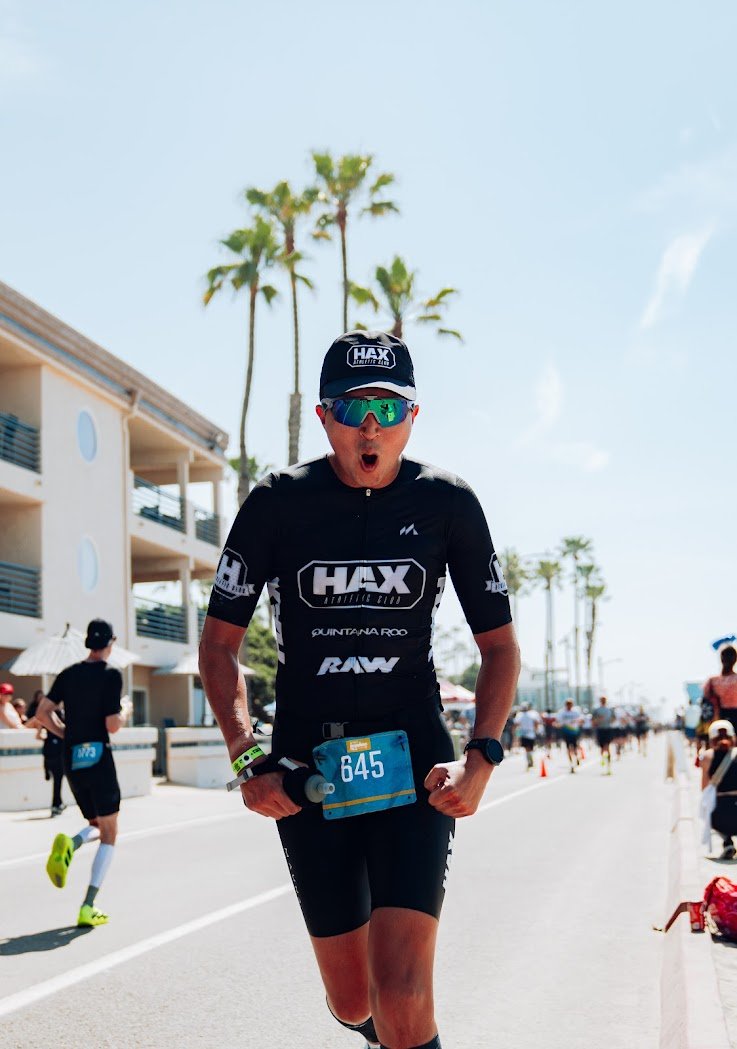
How To Train For An Ironman
The finish line is closer than you think. The plan is what gets you there.
How Do I Train for an Ironman?
A Complete Beginner's Guide
Few finish lines carry the weight of an Ironman. A 2.4-mile swim, a 112-mile bike, and a full 26.2-mile marathon, all in a single day. It is one of the hardest endurance challenges in the world, and also one of the most achievable for ordinary people willing to train with patience and a plan. If you have ever wondered whether you could do it, the honest answer is that most people can. What it takes is time, structure, and a smart approach to building fitness without breaking down.
This guide walks through what the distance demands, how long training takes, and how to structure your weeks so you arrive at race day ready to finish strong.
What an Ironman Really Demands
An Ironman is less about raw speed and more about durability. You are asking your body to keep moving efficiently for between 8 and 17+ hours. That means the goal of training is not just to get fit, but to build the kind of fatigue resistance that lets you hold your form deep into the day, long after the early adrenaline has worn off.
It is also as much a logistics and fueling challenge as a fitness one. Pacing, hydration, nutrition, and gear all play a role. Many first-time athletes are surprised to learn that races are lost more often on the run, when nutrition and pacing errors from earlier in the day finally catch up, than in the water.
How Long Does It Take to Train?
For most first-timers, a realistic build is six to twelve months. If you already have an endurance base, say you run or cycle regularly, six months can be enough. If you are starting from a lower baseline, give yourself closer to a year so your body can adapt gradually and safely.
The biggest mistake beginners make is rushing. Tendons, joints, and connective tissue adapt more slowly than your heart and lungs do. A longer runway is not wasted time. It is insurance against the injuries that derail so many first attempts.
How Many Hours a Week Will You Train?
Expect a range rather than a fixed number. Early base weeks might involve six to eight hours of training. As race day approaches, peak weeks often reach twelve to fifteen hours, with the longest sessions on the weekend. Most of that time should be easy, aerobic effort. Going too hard, too often, is one of the fastest ways to stall progress.
The encouraging part is that this is manageable alongside a job and a family if your weeks are planned well. Consistency matters far more than any single heroic session.
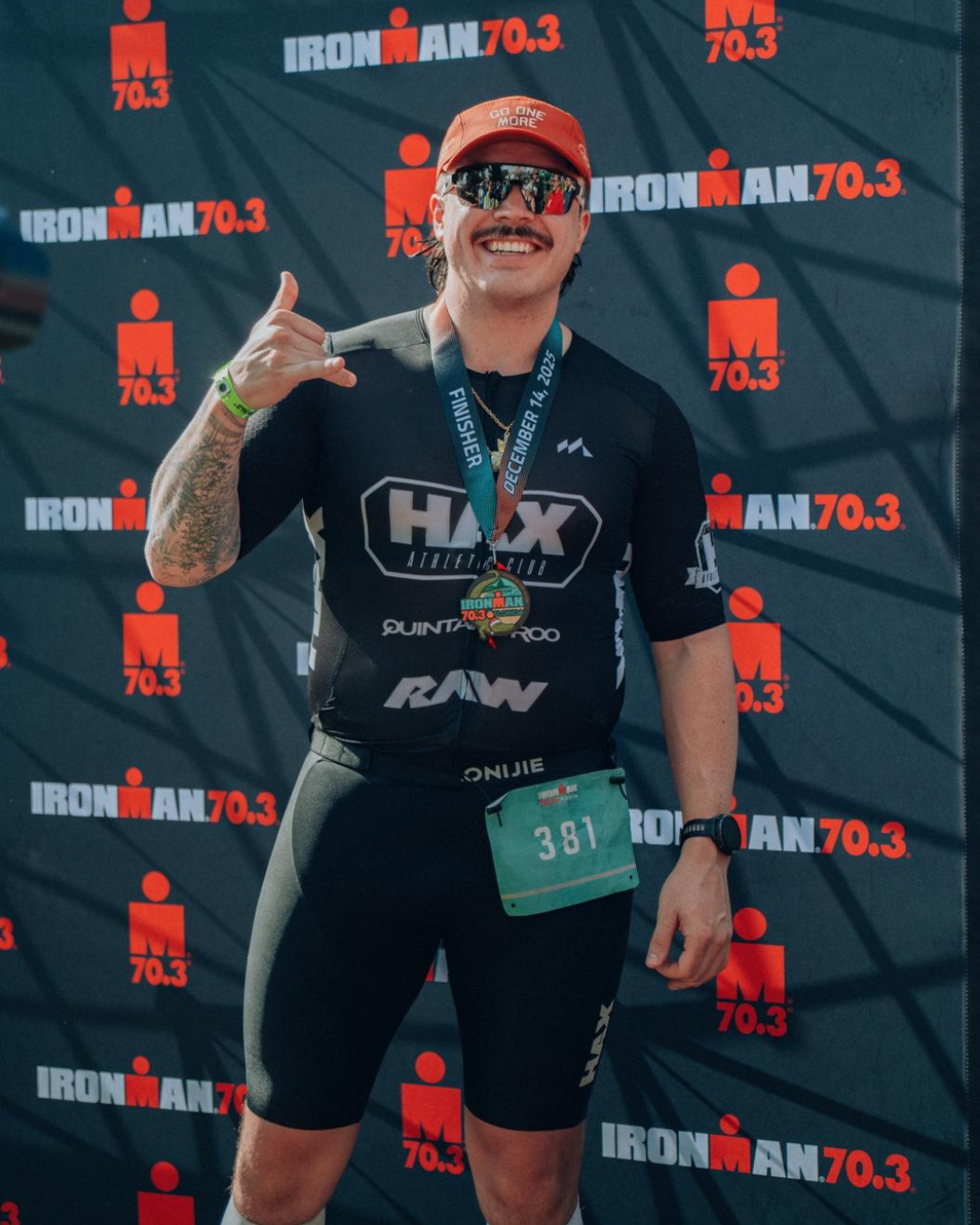
Building the Swim, Bike, and Run
Each discipline asks something different of you.
The swim rewards technique over brute effort. Many beginners improve fastest by working on efficiency in the water rather than simply swimming more laps.
The bike is where you will spend the most time on race day, so it deserves the most training volume. Long, steady rides build the engine that carries you through the day.
The run is the most physically demanding because it comes last, on tired legs. Learning to run well off the bike, through what are called brick workouts, is one of the most valuable skills you can develop.

The Missing Piece in Most Ironman Plans
This is where a lot of Ironman plans fall short. Endurance athletes often treat the gym as optional, then wonder why their form falls apart late in a race. Strength training builds the resilience that keeps you efficient and injury-free when fatigue sets in.
At HAX Athletic Club, this hybrid approach, combining endurance work with intelligent strength training, sits at the core of how we coach. It is what helps our athletes finish endurance events strong rather than simply surviving them.
Fueling for the Distance
You cannot out-train poor nutrition. Long sessions are your chance to practice race-day fueling, taking in carbohydrates and fluids steadily so your body learns to absorb them under effort. Race day should never be the first time you test your nutrition strategy. The athletes who fuel well in training are the ones still moving with purpose in the final hours.
A Simple Weekly Rhythm
A balanced week often looks something like this: two swims, two or three bike sessions including one long ride, two or three runs including one long run, and one or two strength sessions. One full rest day is not a luxury. It is part of the plan, the time when your body actually absorbs the work you have put in.
The Value of a Plan and a Team
You can train for an Ironman alone. Many people do. But the athletes who enjoy the journey and who arrive at the start line healthy and confident almost always have two things: a structured plan built around their lives and a community to share the miles with.
That is what we have built at HAX.
Personalized coaching that adapts to your schedule, metabolic testing with INSCYD so your training zones are based on your real physiology rather than guesswork, and a genuine community of athletes chasing the same goals. Whether it is your first Ironman or your fastest, the right support turns a daunting solo project into something you actually look forward to.





Why Train With HAX
Anyone can download a generic plan from the internet. What most athletes are missing is not information. It is a plan built around their life, and people in their corner who actually know their name.
That is what HAX is.
We coach the whole athlete, not just the miles. Our hybrid approach combines endurance training with intelligent strength work, the same method that helps our athletes hold their form and finish strong when others are falling apart in the final hours. Your training is built around your schedule, your goals, and your real physiology, mapped through INSCYD metabolic testing, so your zones are based on data rather than guesswork.
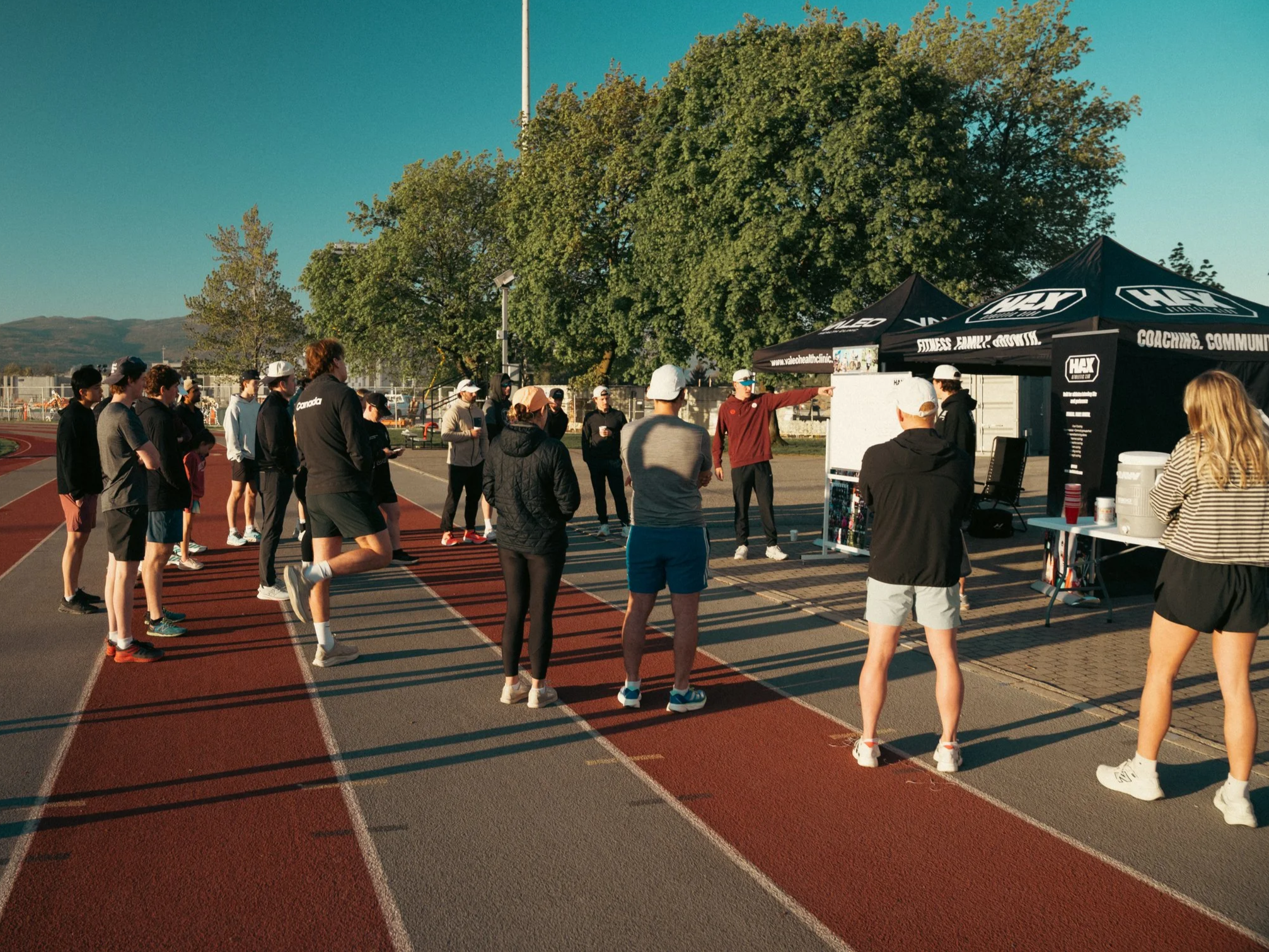
But the part our athletes talk about most is not the science. It is the people. When you join HAX, you join a community chasing the same goals, training alongside you, showing up at the same start lines, and pushing you on days when motivation runs thin. You are never training alone.
Whether it is your first Ironman or your fastest, you will have a coach who knows you, a plan that fits your life, and a team that has your back from your first session to the finish line.
This is how you finish your endurance events strong.
Join the TeamReady to join?
Fill out the application form -linked here
Blake will text you within 24-48 hours
Chat with Blake to see if this is a good fit
Sign up through our athlete portal (sent from Blake)
Complete our onboarding process, health forms, goal forms, expectations, etc.
Start training and be welcomed into the community